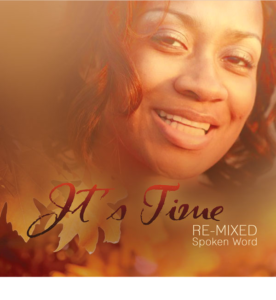
L Ayanna J, Author, Spoken Word Artist, Founder of AyannaSpeaks
AyannaSpeaks is a platform of performance and publishing designed to promote inspirational, thought-provoking, and reality-based content. We believe in the power of the spoken word to break chains, expose truth, and foster deep, lasting transformation. Our mission is to provide you with the tools to turn your pain into a platform and your silence into a song.
The mirror is turned on. We are no longer hiding behind metaphors that mask our reality. If you have ever felt the weight of unspoken words: the kind that sit heavy in your chest like stones: then you know that silence is often a form of bondage. But what if your voice was the key to your deliverance?
Learning how to write spoken word poetry is more than just an academic exercise; it is a spiritual and psychological journey toward resilience. At AyannaSpeaks, we call this Raw Storytelling. It’s the process of taking the messy, unrefined parts of your experience and crafting them into a narrative that heals both the speaker and the listener.
Whether you are struggling with grief, navigating a transition, or seeking a deeper connection with your faith, this 5-step guide will help you move from the silence of the page to the power of the stage.
Step 1: Freewriting for Emotional Clarity (The Mental Health Benefit)
Before you can craft a masterpiece, you have to clear the clutter. Most people fail at writing poetry because they try to be “poetic” too soon. They reach for rhyming dictionaries before they’ve even reached for the truth.
Step 1 is about catharsis. In psychology, catharsis is the process of releasing, and thereby providing relief from, strong or repressed emotions. When you sit down to write, don’t worry about rhythm or flow. Just write. This is a “brain dump” designed to bring emotional clarity.
Ask yourself the hard questions:
- What is the one thing I’m afraid to say out loud?
- Where does my body hold the most tension?
- If my pain had a color or a sound, what would it be?
This raw data is the soil from which your poem will grow. By externalizing your internal struggle, you are already building resilience. You are looking at your problems rather than living inside them. This is the first step toward healing from bondage.

Step 2: Finding a Powerful Hook (The 3-8-12 Rule)
In the world of performance, you have a very narrow window to capture an audience’s heart. We apply the 3-8-12 rule logic to ensure high-retention storytelling.
- The 3-Second Hook: Within the first three seconds, you must disrupt the atmosphere. Your first line shouldn’t be a greeting; it should be an invitation or a confrontation.
- The 8-Second Anchor: By the eight-second mark, the listener needs to know the “vibe” of the poem. Are we in a hospital room? A church pew? A crowded subway?
- The 12-Second Solidification: By twelve seconds in, the audience should be locked in, understanding exactly why they need to hear the rest of your story.
When you are learning how to write spoken word poetry, think of your hook as the “door” to your soul. If the door is locked or boring, no one is coming in. Instead of saying, “I felt sad today,” try something like, “The sun refused to rise in my kitchen this morning, so I drank my coffee in the dark.”
Step 3: Raw Storytelling: Being Honest and Vulnerable
IT’S TIME. It is time to stop the hushed tones. Raw Storytelling requires a level of honesty that might feel uncomfortable at first. You aren’t just writing a poem; you are exposing a truth that has been hidden for too long.
Think of Christian artists like Jackie Hill Perry. Her work is iconic because she doesn’t shy away from the gritty details of her journey. She uses language that is both biblically grounded and unapologetically real. She demonstrates that vulnerability isn’t a sign of weakness; it’s a sign of authority. When you are honest about your struggle, you take away its power to shame you.
In this step, look at your freewriting from Step 1. Pick the “ugliest” or “most beautiful” truth and expand on it. Use specific imagery. Don’t just say you were “transformed”; describe the moment the old skin started to peel away.
If you’re looking for inspiration on how to combine faith with raw honesty, our book Words of My Mouth, Meditations of My Heart is a perfect resource for seeing this practice in action.

Step 4: Adding Rhythm and Flow: Making it “Spoken”
Spoken word is the cousin of music. It lives in the breath, the pauses, and the percussion of your consonants. Once you have your raw story, you need to “remix” it for the ear.
- Alliteration: Using the same starting sounds to create a beat (e.g., “The bitter bite of betrayal”).
- Internal Rhyme: Rhyming words within the line, not just at the end. This keeps the poem moving quickly.
- Pacing: Not every line should be the same length. Use short, punchy sentences for impact. Use long, flowing sentences for reflection.
Read your poem out loud. Where do you trip over your words? That’s a sign the rhythm is off. Where do you find yourself wanting to shout? That’s where the “flow” is hitting its peak. This is the part of the process where the poem stops being a document and starts being a living thing.

Step 5: The Performance: Finding Healing in the Release
The final step in how to write spoken word poetry is, ironically, to stop writing and start speaking. There is a physiological shift that happens when you speak your truth into a room.
Psychologically, performing your story allows you to take ownership of it. You are no longer a victim of your circumstances; you are the narrator of your triumph. This “release” provides a sense of closure that the written page alone sometimes cannot. It builds resilience by proving to yourself that you can face your past and stand tall.
Healing is not a destination; it is a practice. Every time you perform your “Raw Story,” you are reinforcing your own deliverance. You are telling the world: and yourself: that you are still here, you are vocal, and you are free.
If you are ready to dive deeper into your healing journey through poetry and faith, explore our Faith and Transformation resources.

THE MIRROR IS TURNED ON
Are you ready to stop the silence? The world doesn’t need more “pretty” poems. It needs your raw, unadulterated truth. It needs the story only you can tell. Whether you are writing for a stadium or just for your own mirror, remember that your voice has the power to heal.
At AyannaSpeaks, we are committed to helping you find that voice. From our published books to our spoken word, we are here to support your journey from bondage to brilliance.
IT’S TIME TO SPEAK.
For more resources on healing and performance, check out our latest products like The Other Woman: Healing from Bondage.
REMIXED. REVEALED. RELEASED.